Vertical Awnings
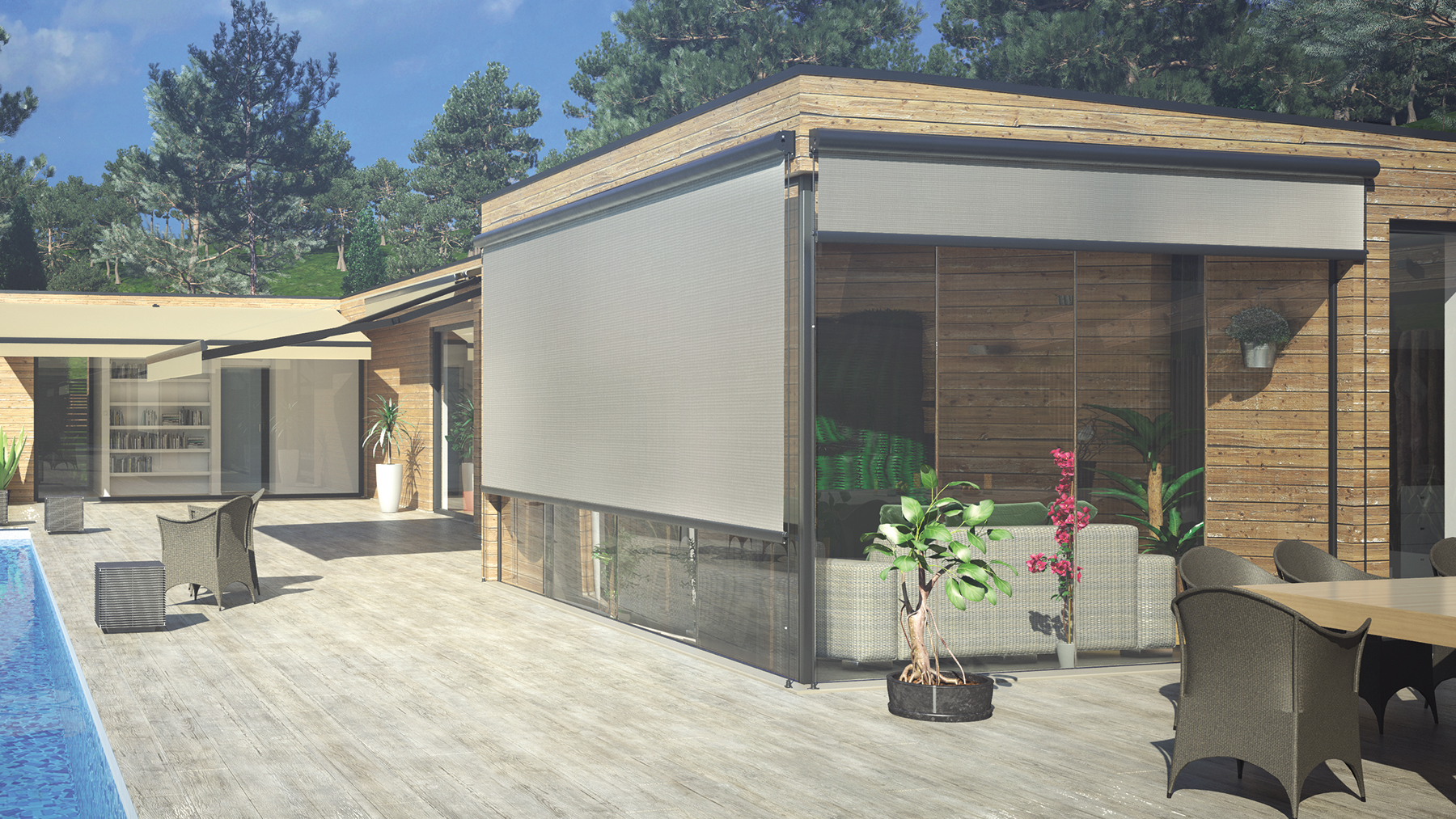
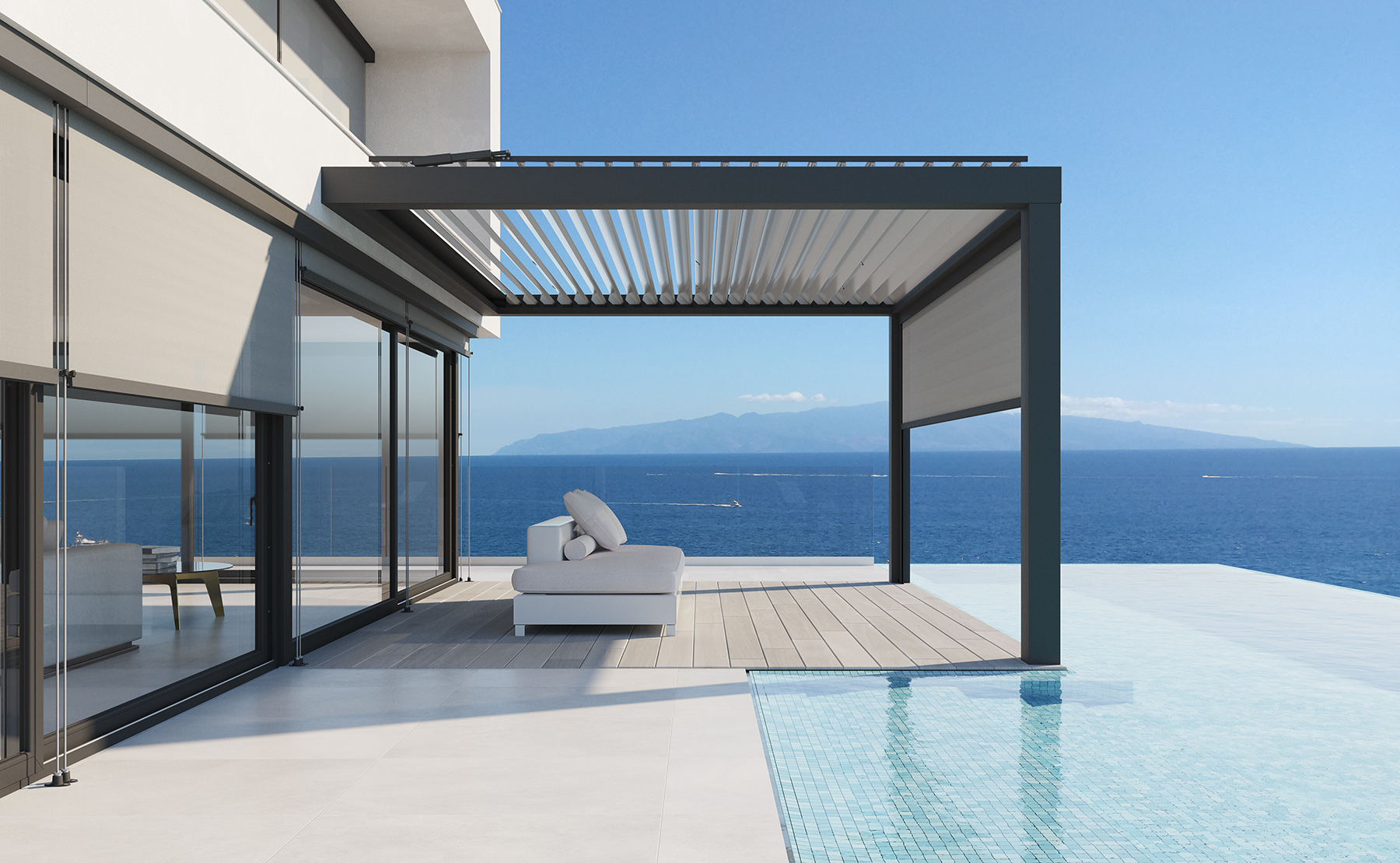
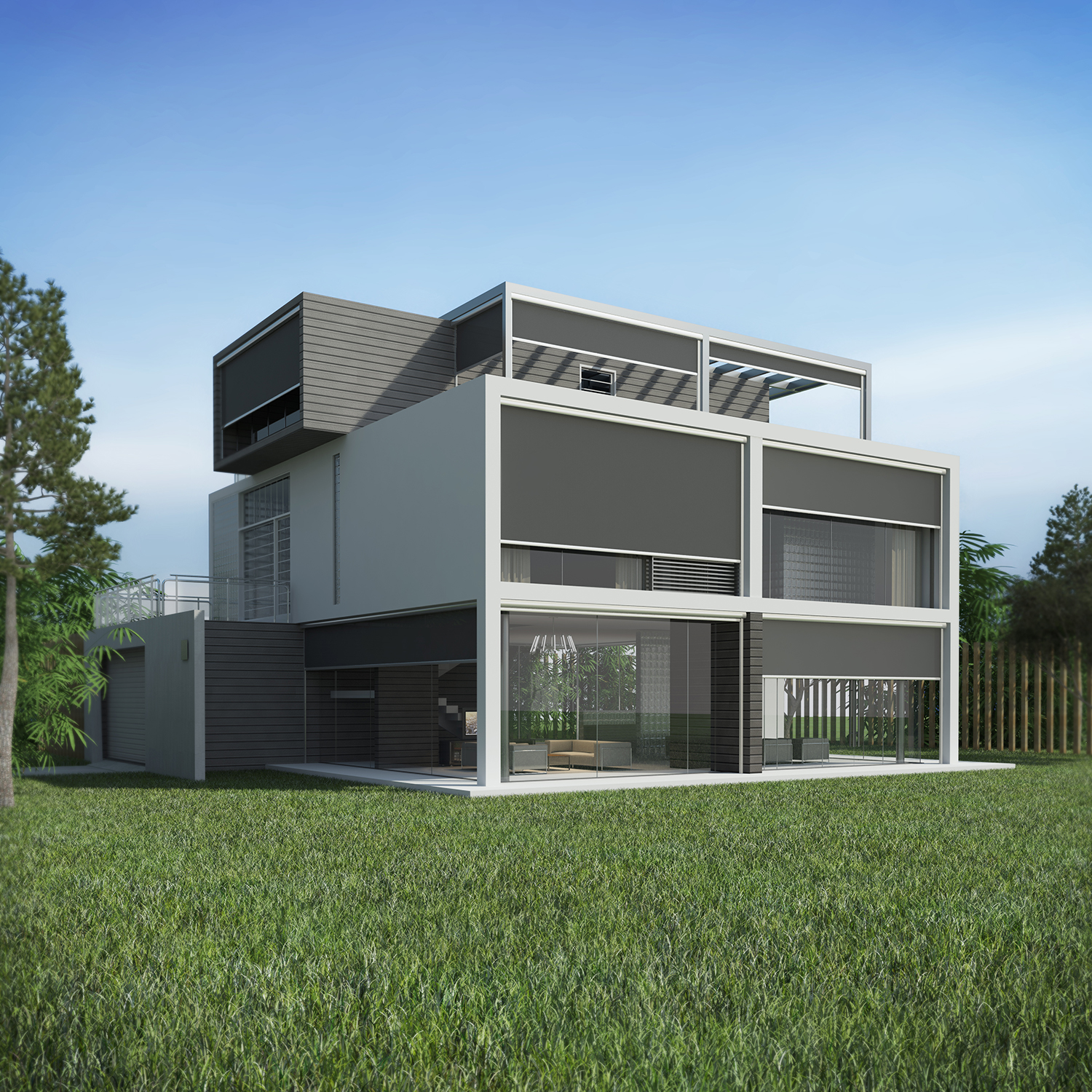
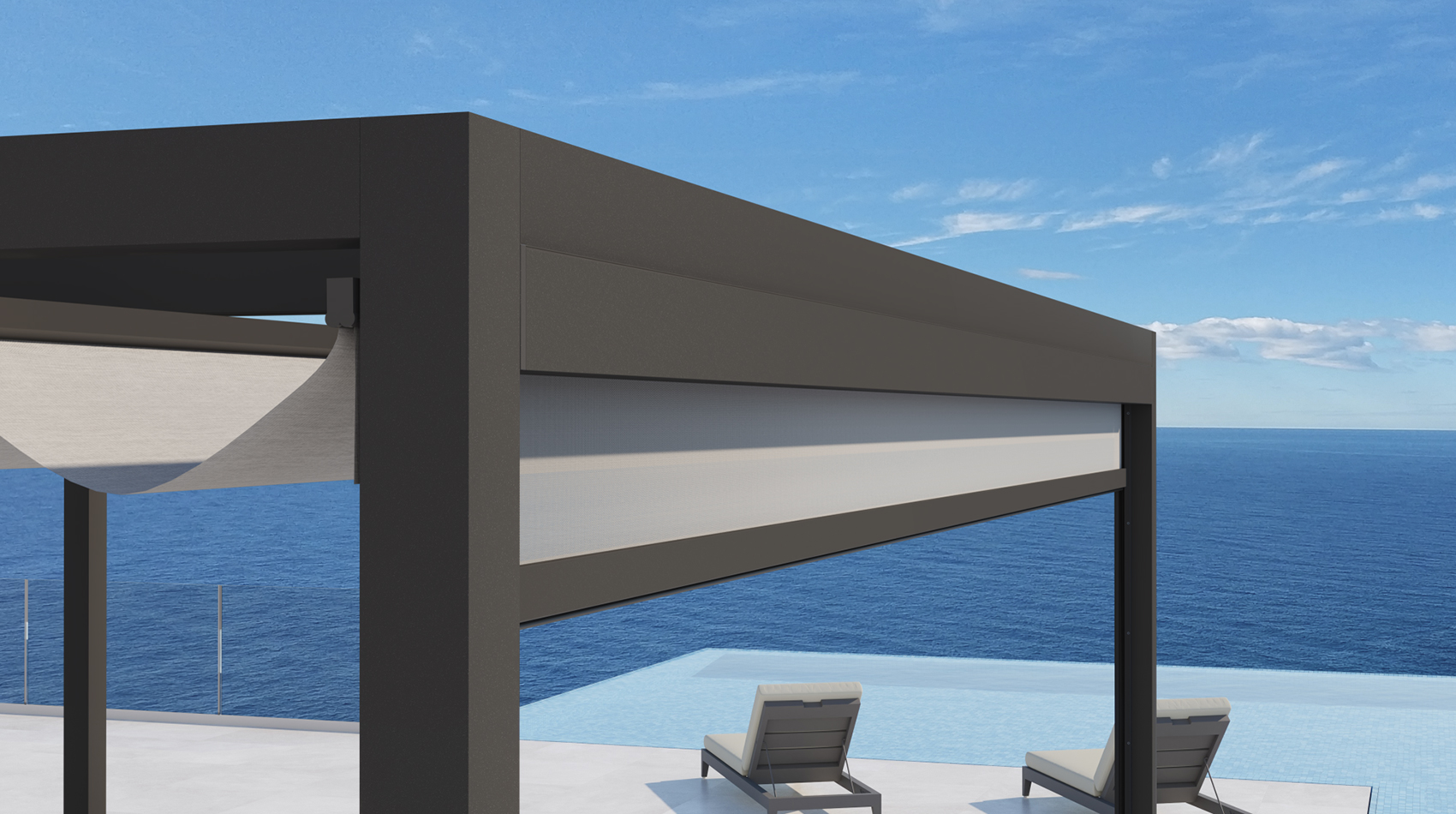
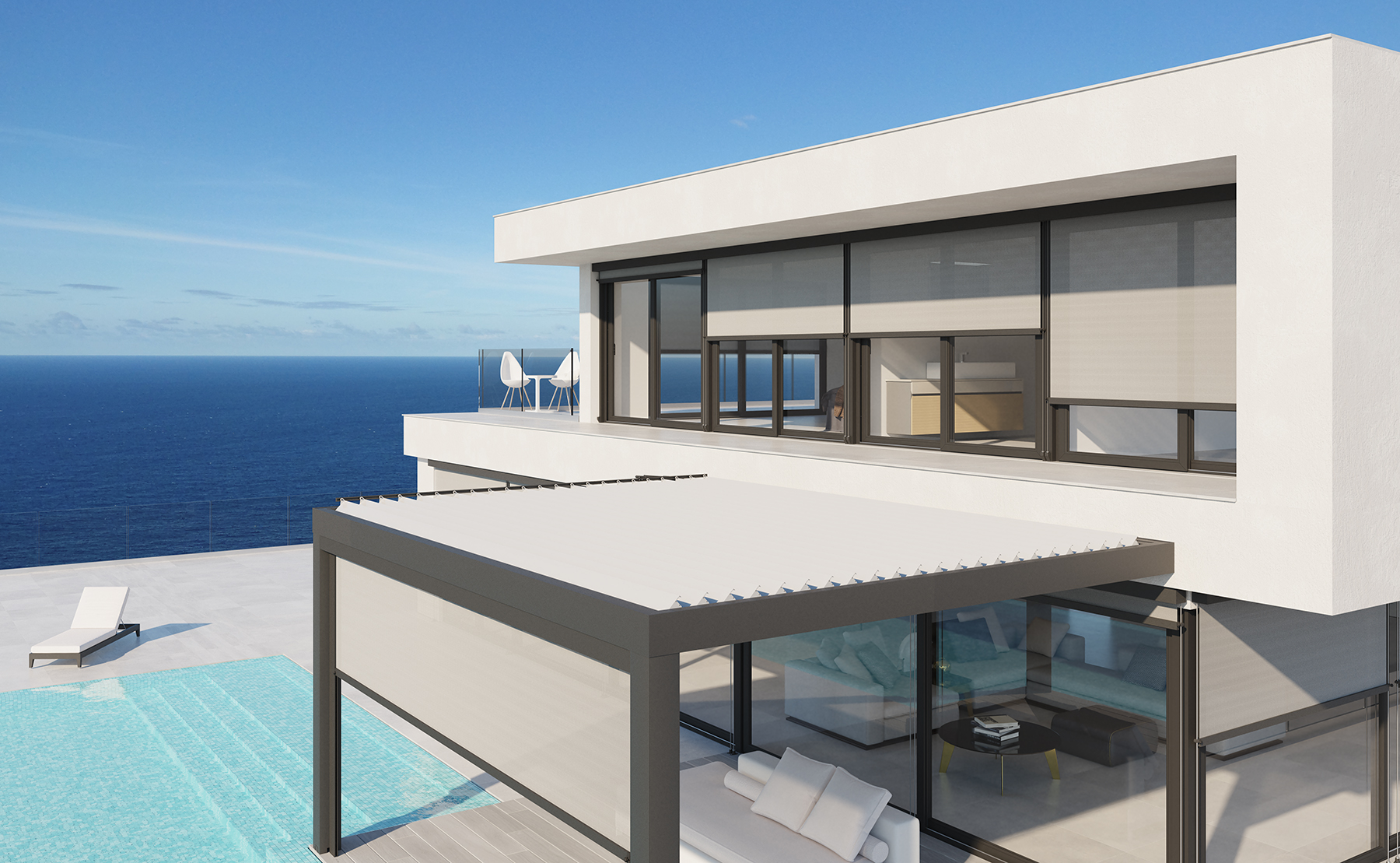
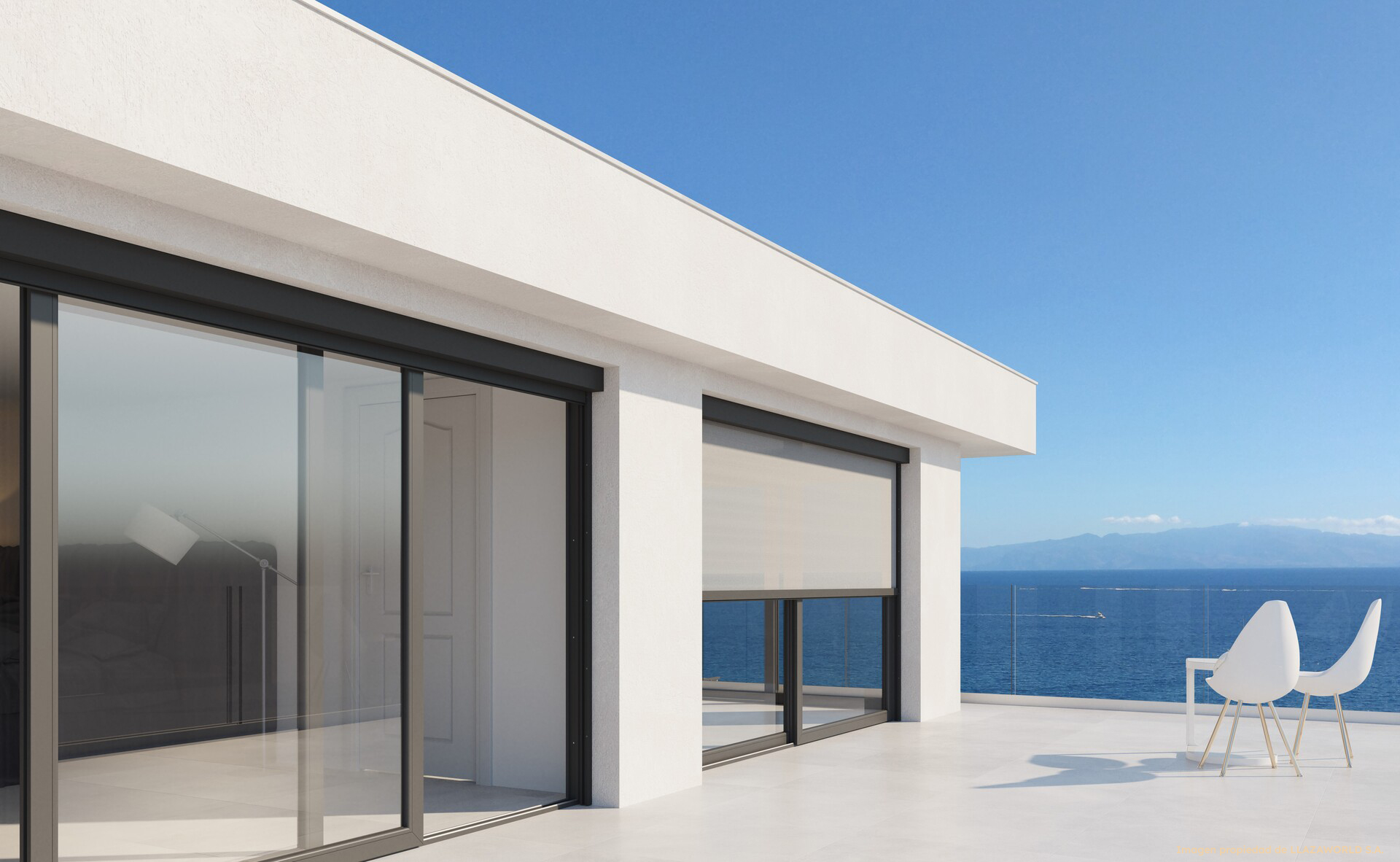

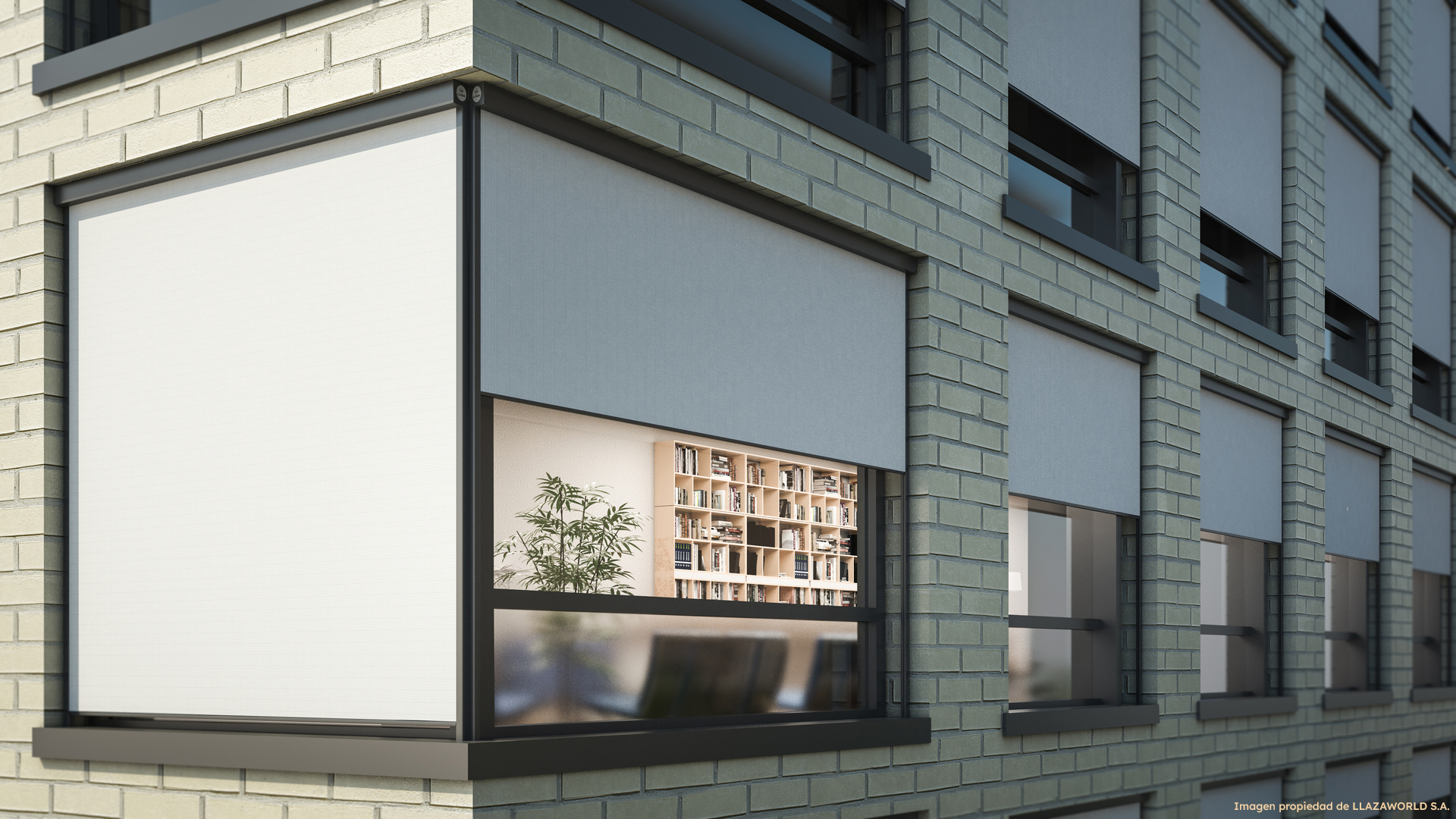

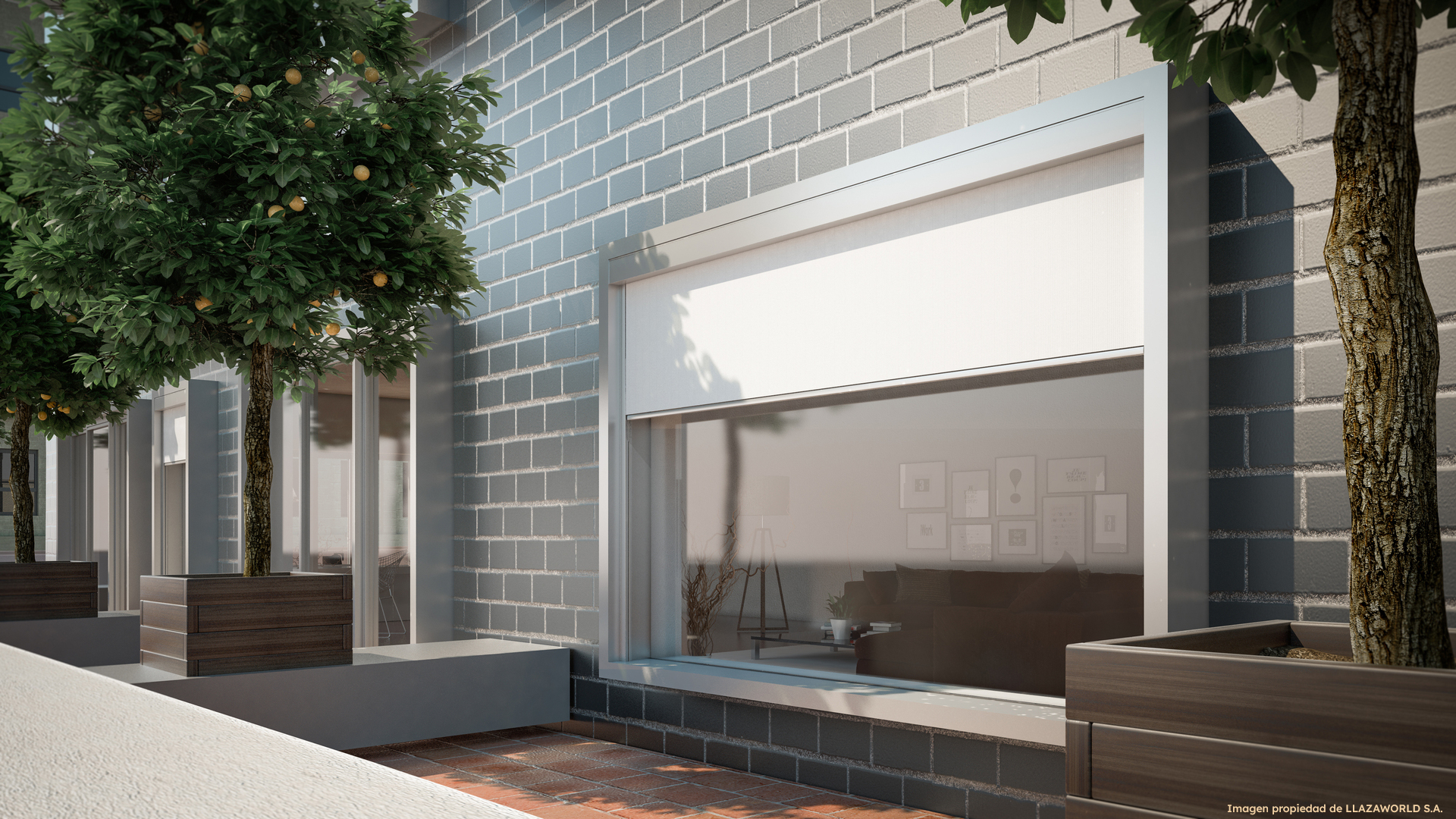
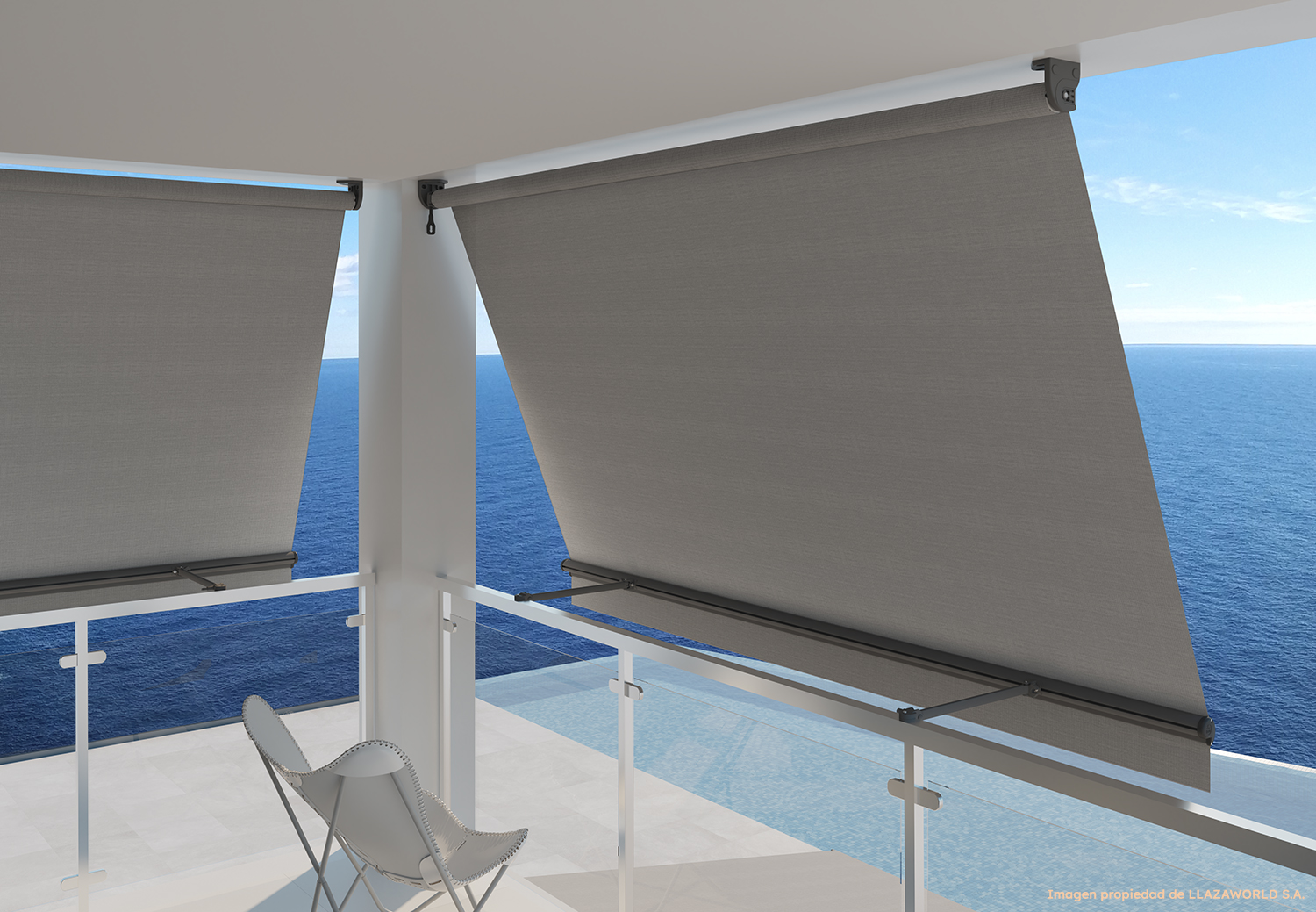
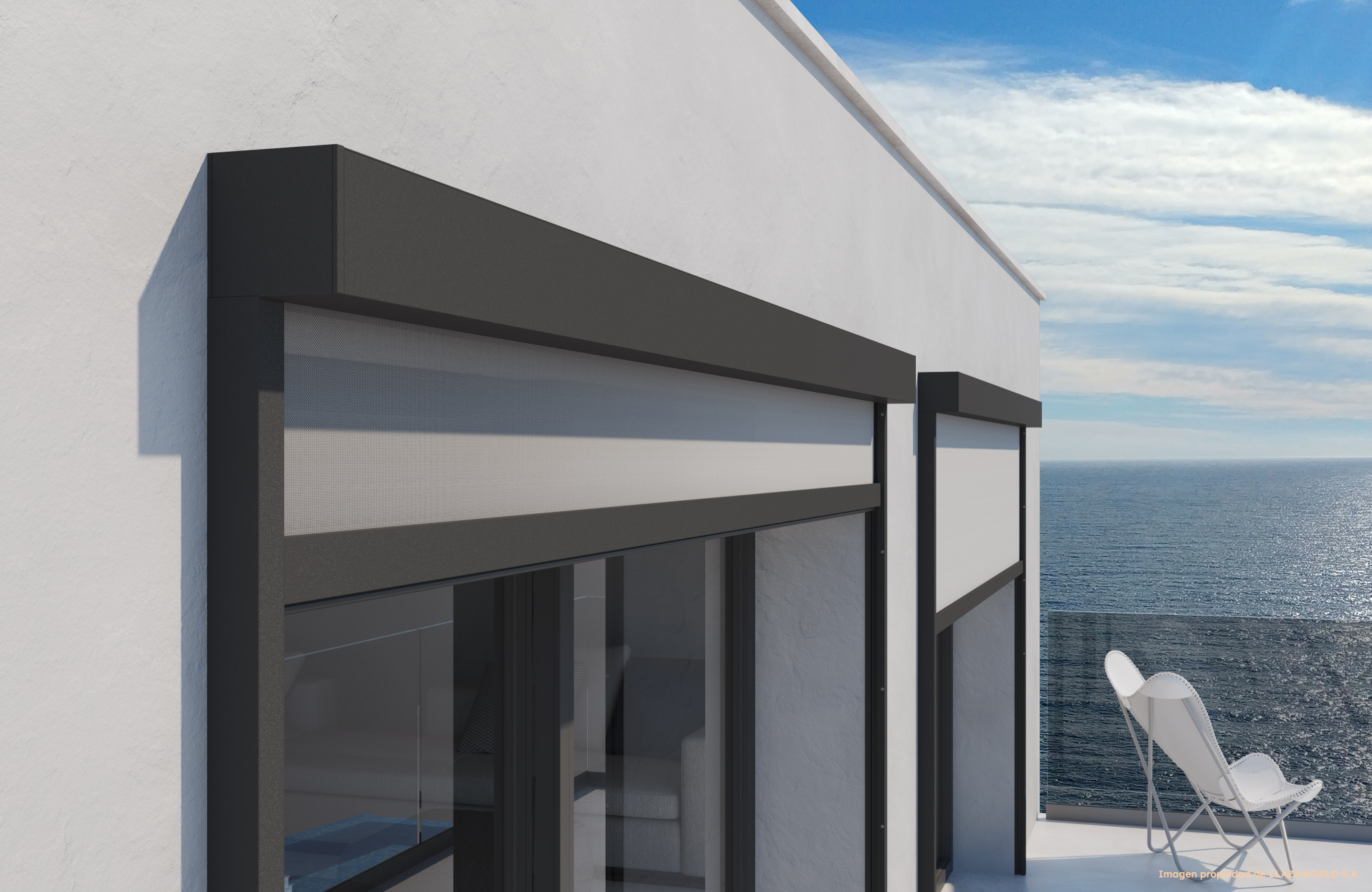

The elegant and highly adaptable vertical solution.
A vertical awning is designed to provide multiple solutions, whatever the requirements of each installation. Its straight, minimalist lines offer ideal proportions, allowing a large amount of fabric to be rolled up while taking up as little space as possible.
“The elegant and highly adaptable vertical solution.” In Marbella and across the Costa del Sol, we deal with plenty of sunshine, sea breezes, salt exposure and gusts of Levante wind. A vertical awning (also known as a screen awning, vertical outdoor blind or perimeter enclosure) allows us to control light, temperature and privacy without sacrificing views or aesthetics.
In our day-to-day work at eluha.es, we operate in Marbella, San Pedro, Estepona and Fuengirola, installing systems that roll up into very little space thanks to their straight, minimalist design. This is especially important where there are railings, low ceilings or terraces with fixed furniture. In addition, a good vertical system helps reduce glare at sunset on west-facing areas and soften the feeling of heat at midday on south-facing spaces, allowing you to use your terrace for longer without excessive heat.
Another major benefit in this area is protection against salt exposure. We select stainless-steel fittings and high-quality powder-coated profiles to extend the lifespan of the installation in coastal environments. Where wind is a concern, we prioritise zip-guided and cable-guided systems, which provide greater fabric stability. As for operation, systems can be manual with a crank handle or motorised, with the option of adding sun and wind sensors. As local installers, we take care of the assessment, installation and warranty management, and we also inspect and repair existing awnings, even if they were installed by another company.
With micro-perforated screen fabric, we select the appropriate openness factor to balance natural light, outward visibility and inward privacy. For penthouses and urban terraces, this is particularly valuable: we filter solar radiation, reduce screen glare and prevent unwanted views from outside while maintaining a clean, contemporary appearance.
The key factors here are the quality of the guides (cable or zip), the anchoring system to the building surface and the use of a stable fabric. In areas exposed to Levante winds, we recommend systems with zip guides and a cassette to protect the rolled-up fabric.
During the technical visit, we assess the orientation, available opening, fixing points and potential obstacles, and provide a written recommendation covering the most suitable fabric, fittings and operating system.
Screen fabric is one of our top choices for shade, comfort and visibility. It allows the space to breathe, reduces heat and glare, and lets the breeze pass through without creating a “sail effect.” If the area is regularly exposed to wind, we recommend upgrading to a zip-guided system (with the fabric tensioned around the perimeter), which is ideal for the sides of pergolas or wide openings.
When to choose it: terraces with views you want to preserve, very sunny orientations, the need for daytime privacy, and a clean, modern finish.
Transparent PVC (with or without reinforcement strips) blocks the wind and light rain while maintaining natural light and views. It is a common solution for the perimeter enclosure of terraces in restaurants or exposed homes. However, it requires more regular cleaning and maintenance to preserve transparency and prevent salt marks.
When to choose it: perimeter enclosures, protection from wind and light rain, and seasons when you want to extend the use of your outdoor space.
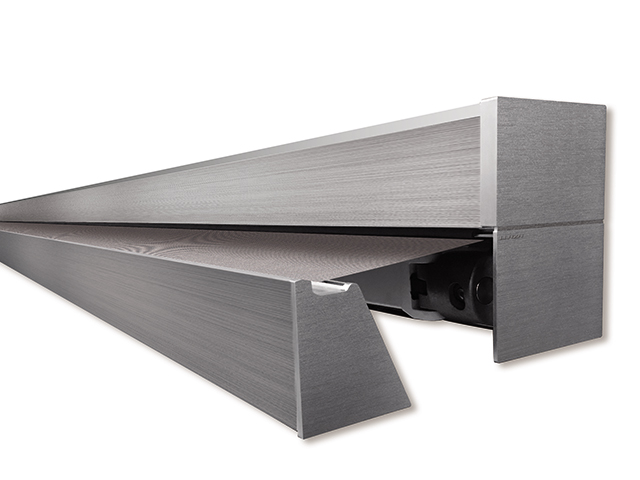
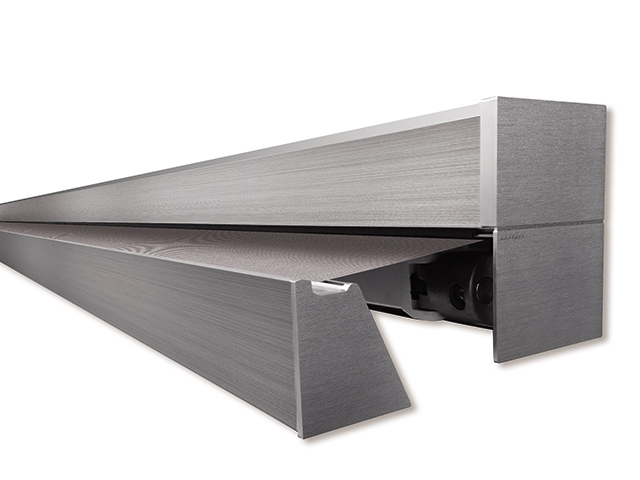
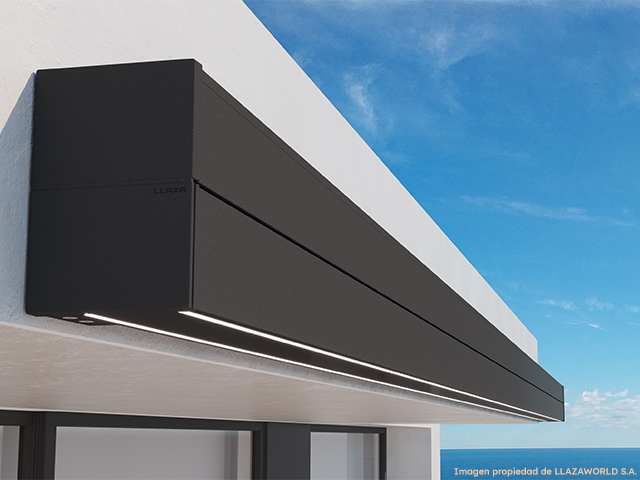
A cassette protects the fabric when it is rolled up, reducing exposure to dirt and salt while giving the installation a cleaner appearance. Arms are used in specific configurations to create separation from the façade; for purely vertical systems, we generally prefer cable or zip guides.
Motorisation with remote control or app adds convenience and can be integrated with sensors — for example, the awning can automatically retract in strong winds or lower when the sun is intense. At eluha.es, we usually recommend motorisation for wide openings or when the system will be used every day.
We share real projects on our social media channels because they help customers visualise the final result. One very common example is a west-facing penthouse in Marbella. After installing a screen system with zip guides and a cassette, the customer was able to enjoy the terrace more comfortably at sunset while also reducing glare inside the living room.
Another typical example is a seafront terrace in Estepona exposed to frequent winds. In this case, we prioritised stainless-steel fittings, a marine-grade coating, and screen fabric with a low openness factor to reduce glare without losing the view of the horizon.
In Fuengirola, on a narrow terrace with an old awning that had been poorly secured, we first carried out an inspection and repair to stabilise the fixing points, followed by a replacement with a compact vertical system. This provided more clear space and allowed the fabric to roll up into a smaller area.
Our local experience allows us to fine-tune every solution. Where salt exposure is high, we upgrade the specifications for fittings and fixings; if the opening is highly exposed, we choose a zip system; and if the goal is to enclose the space and protect it from light rain, we consider transparent PVC. All of this is included in the technical proposal we provide after the site visit.
Our work begins with a technical site visit. We take measurements, check the anchoring points, assess orientation and wind exposure, and verify whether there are any requirements or restrictions from the owners’ association.
With this information, we recommend the most efficient vertical solution — screen, zip, PVC, cassette, motorisation or sensors — together with a finish that is compatible with your façade or pergola.
We then coordinate the professional installation with a confirmed appointment and realistic completion times. As a specialist company in vertical awning installations in Marbella, Costa del Sol, Fuengirola, San Pedro and Estepona, we take care of warranty management and also provide inspection and repair services for existing awnings, even if they were installed by another company.
If any issue arises, we are close by. This is a clear advantage compared with purchasing systems without local technical support.
Recommended maintenance:
Screen: gentle vacuuming and cleaning with water and a neutral soap solution; do not use solvents.
Transparent PVC: warm water, mild soap and a microfibre cloth; dry before rolling it up to prevent clouding.
Fittings and guides: rinse periodically to remove salt deposits; inspect fixings once a year.
No two terraces are the same. The price of a vertical awning depends on:
Dimensions — width, height and number of openings.
System — cable-guided or zip-guided, with or without a cassette.
Fabric — screen with a specific openness factor or transparent PVC.
Operation — manual or motorised, type of motor, automation and sensors.
Hardware requirements — stainless steel, marine-grade coating — and the complexity of the anchoring system.
Accessibility and installation requirements — floor level, access conditions and the need for auxiliary equipment.
To provide a realistic and accurate figure, the most efficient approach is a site visit + quotation.
The advantage of working with a local team is that we take wind, salt exposure and the regulations of your owners’ association into account from the very beginning, helping to avoid unexpected additional costs later on.
If you already have a system installed and need an inspection or repair, we will assess it and advise whether the most cost-effective option is adjustment, fabric replacement or complete system replacement.