Garden Awnings
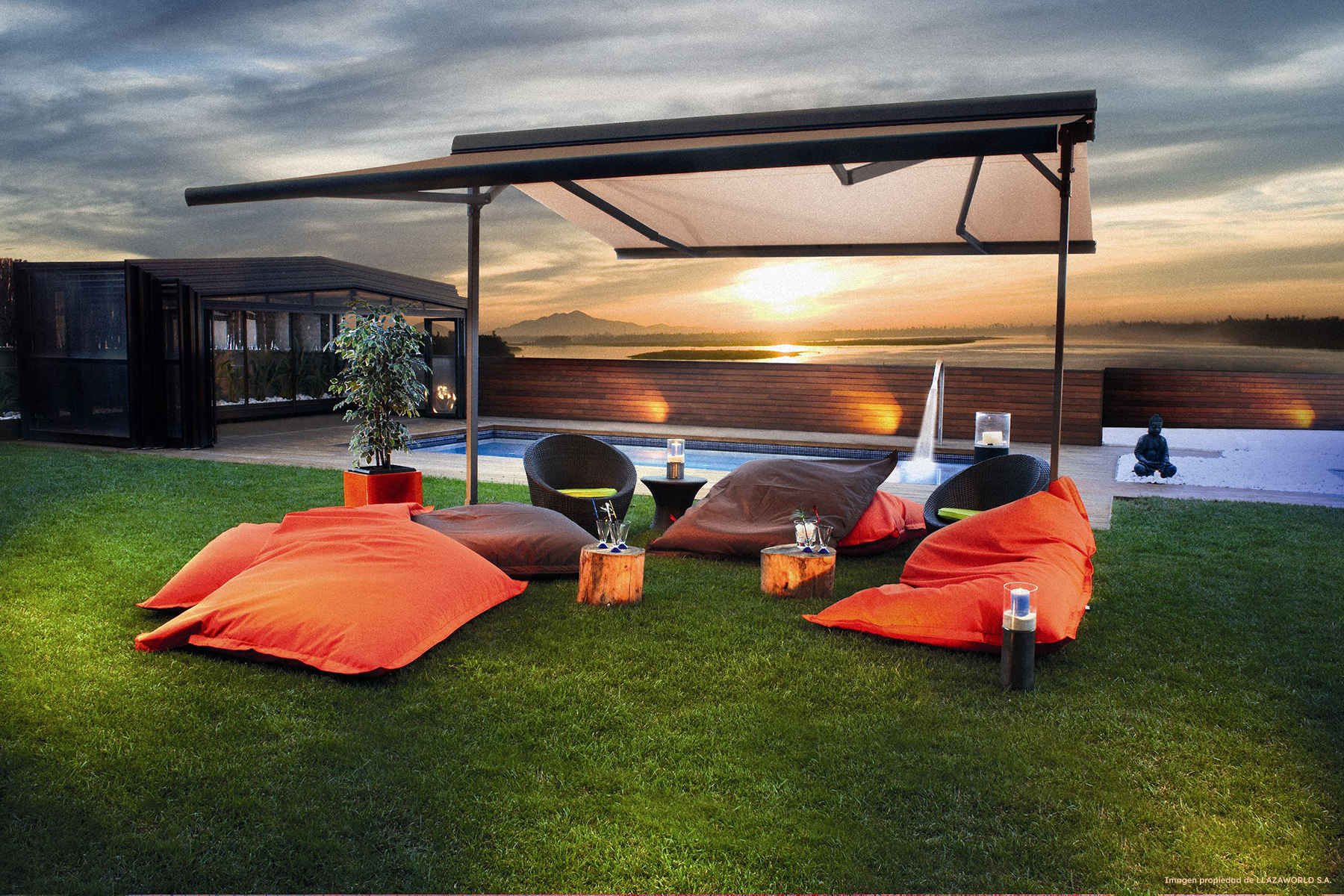
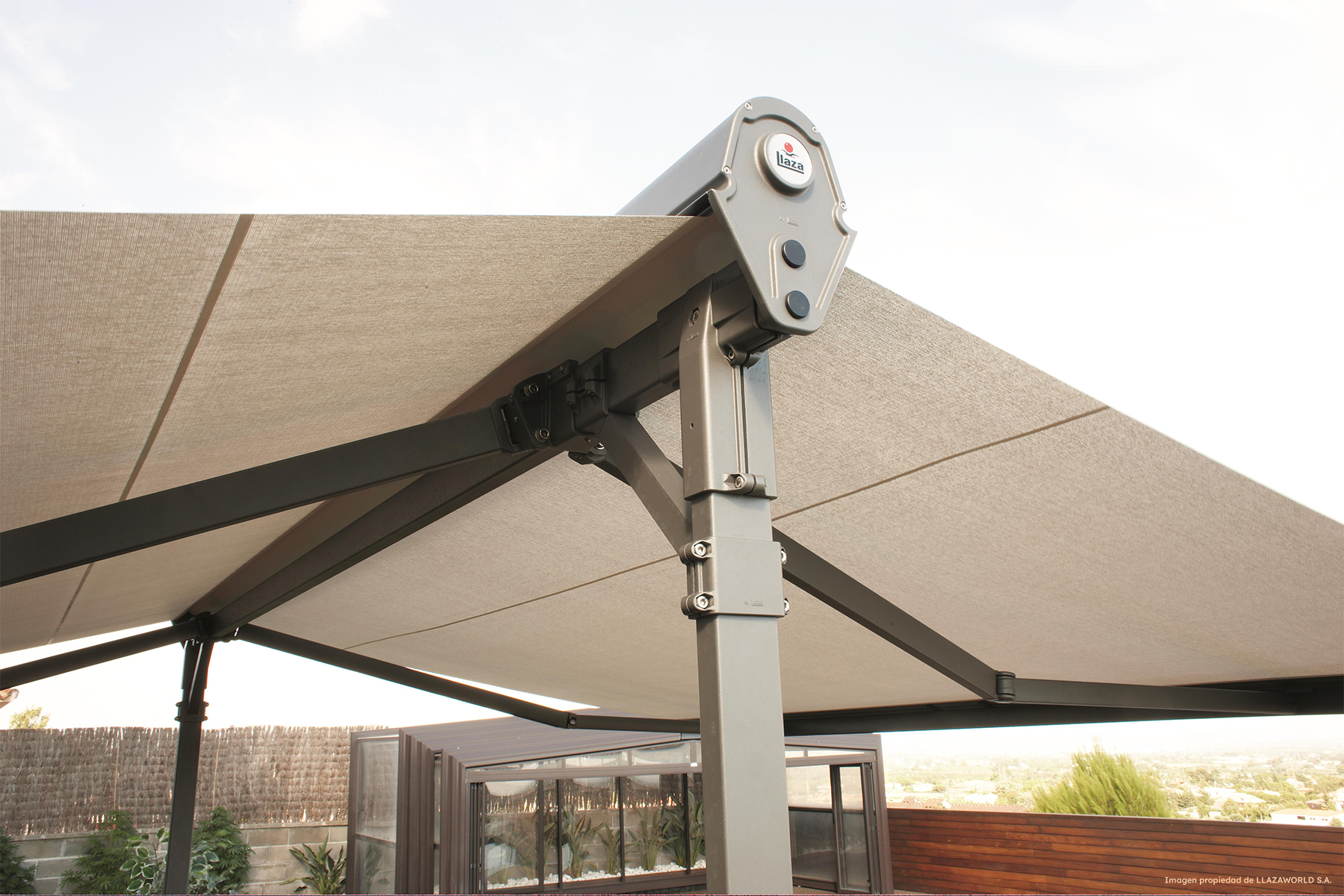
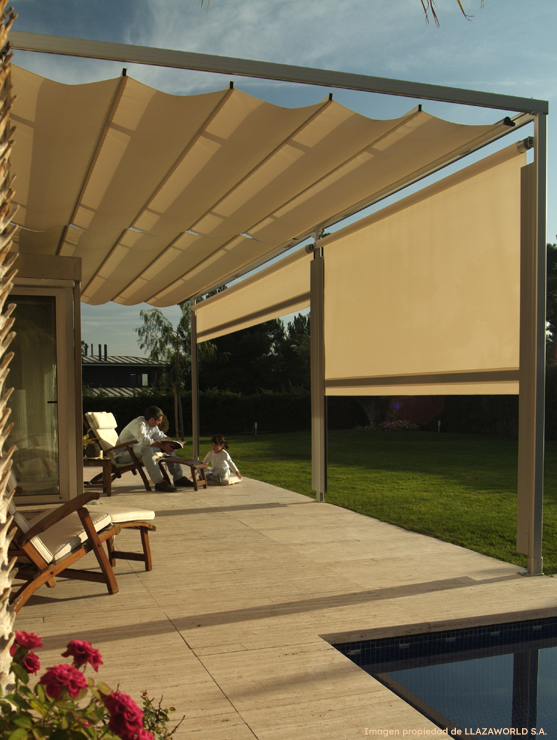
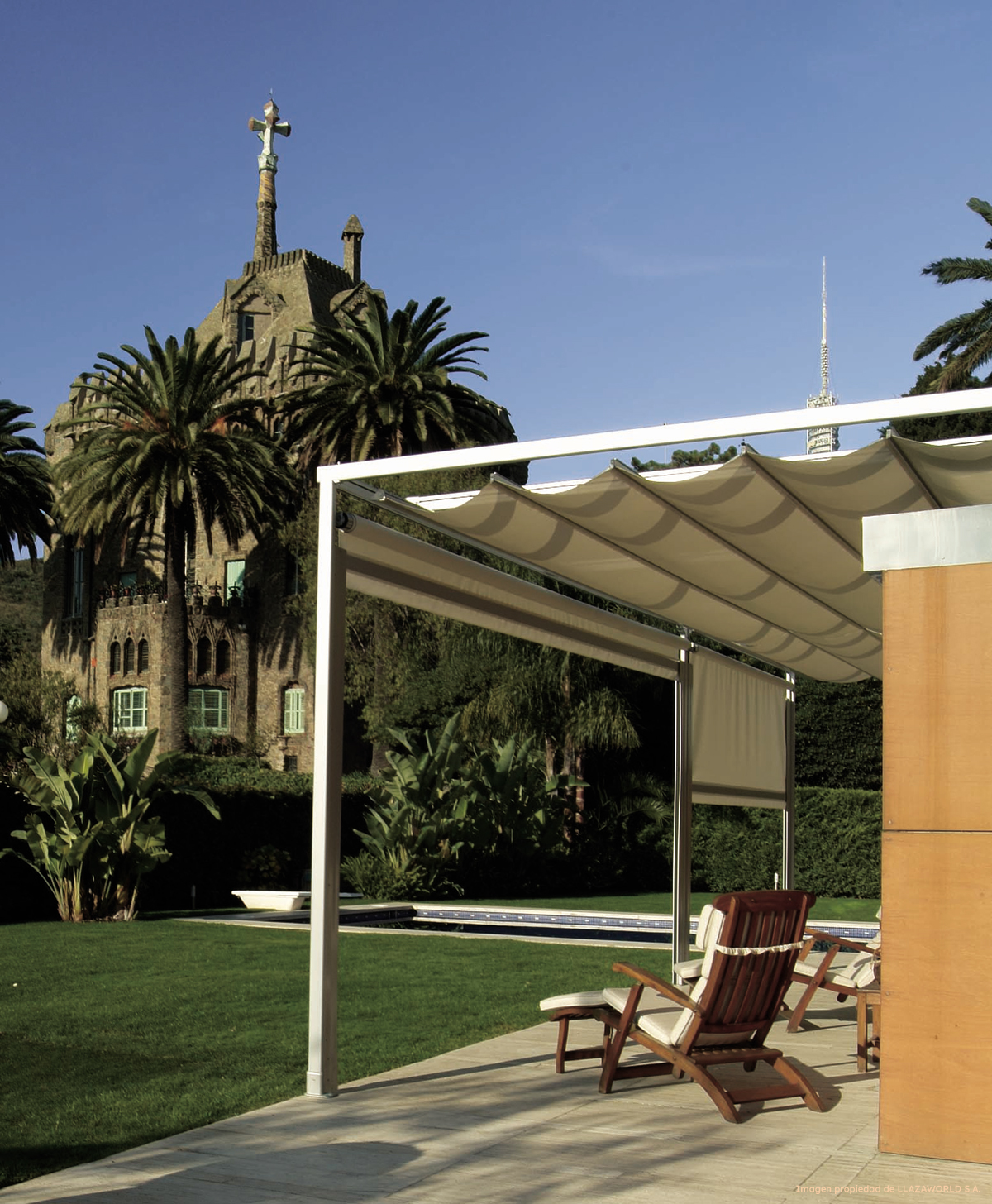
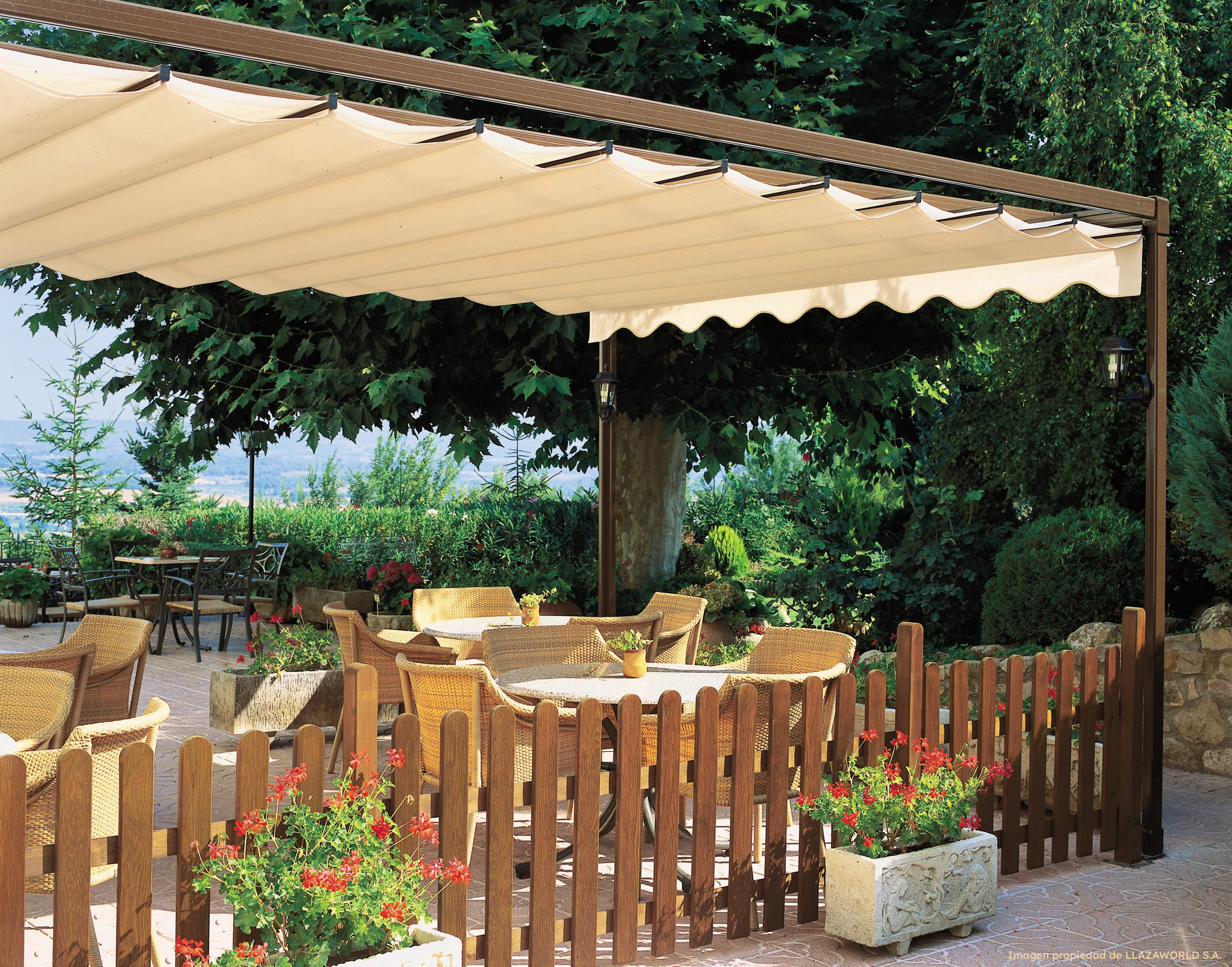
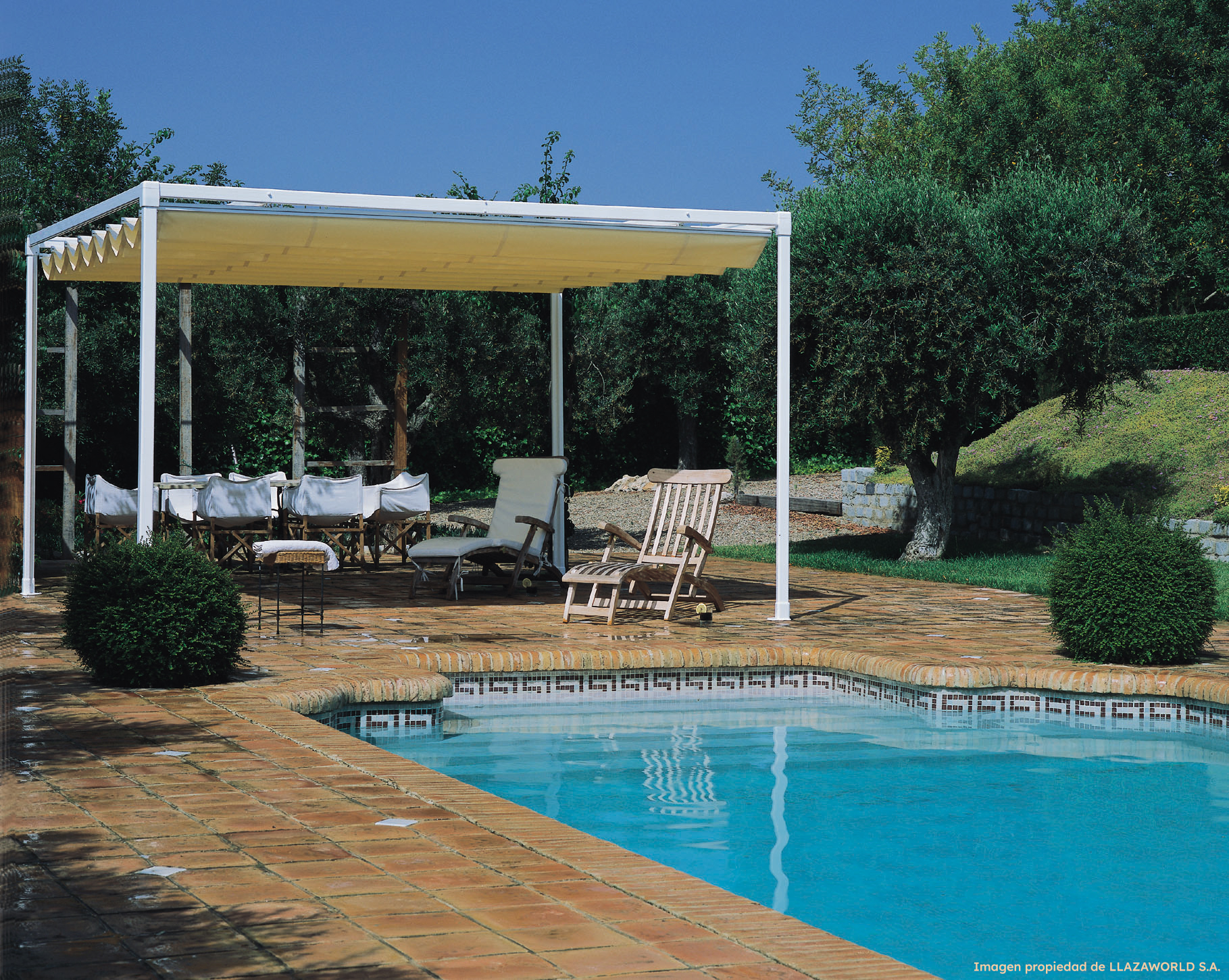
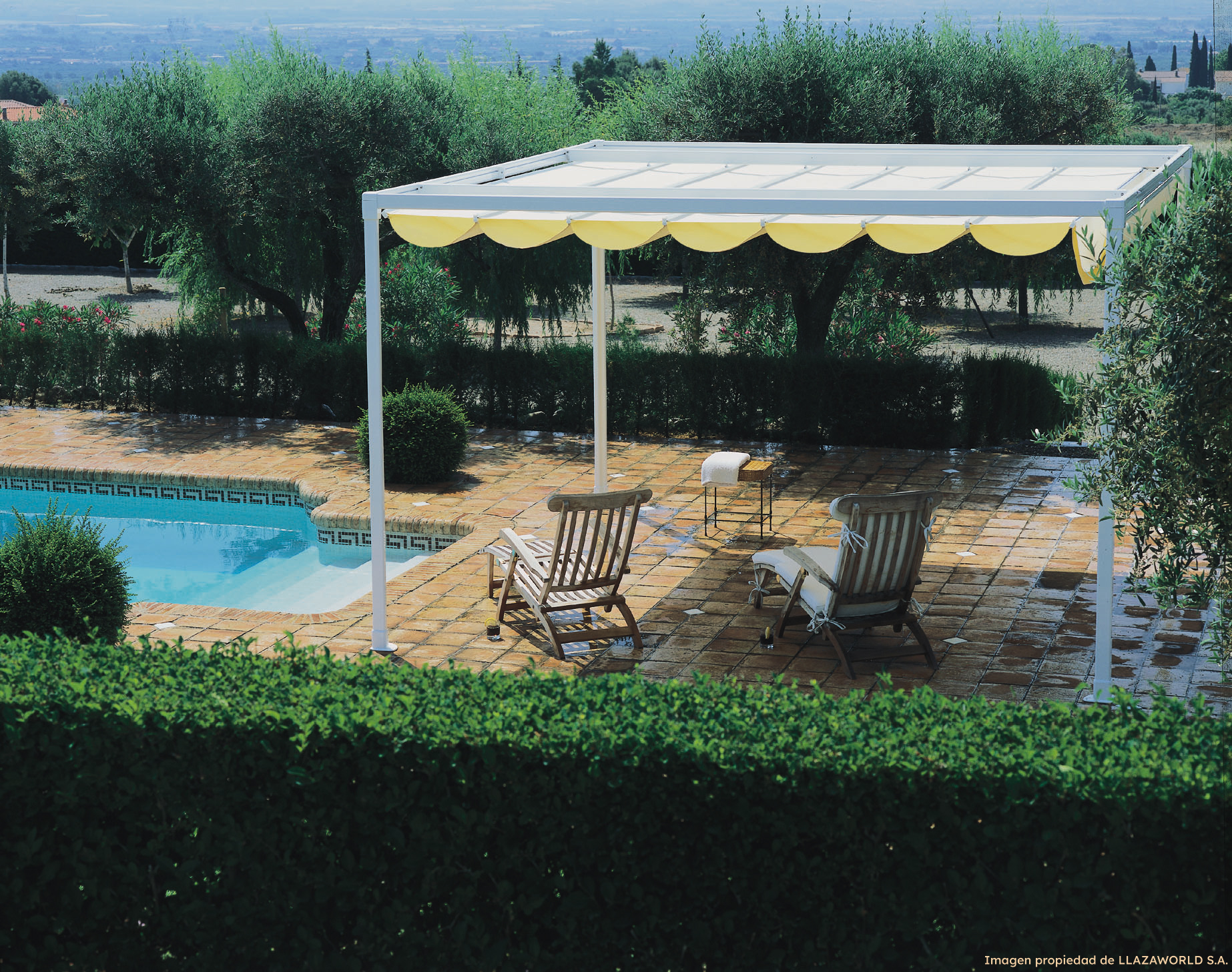
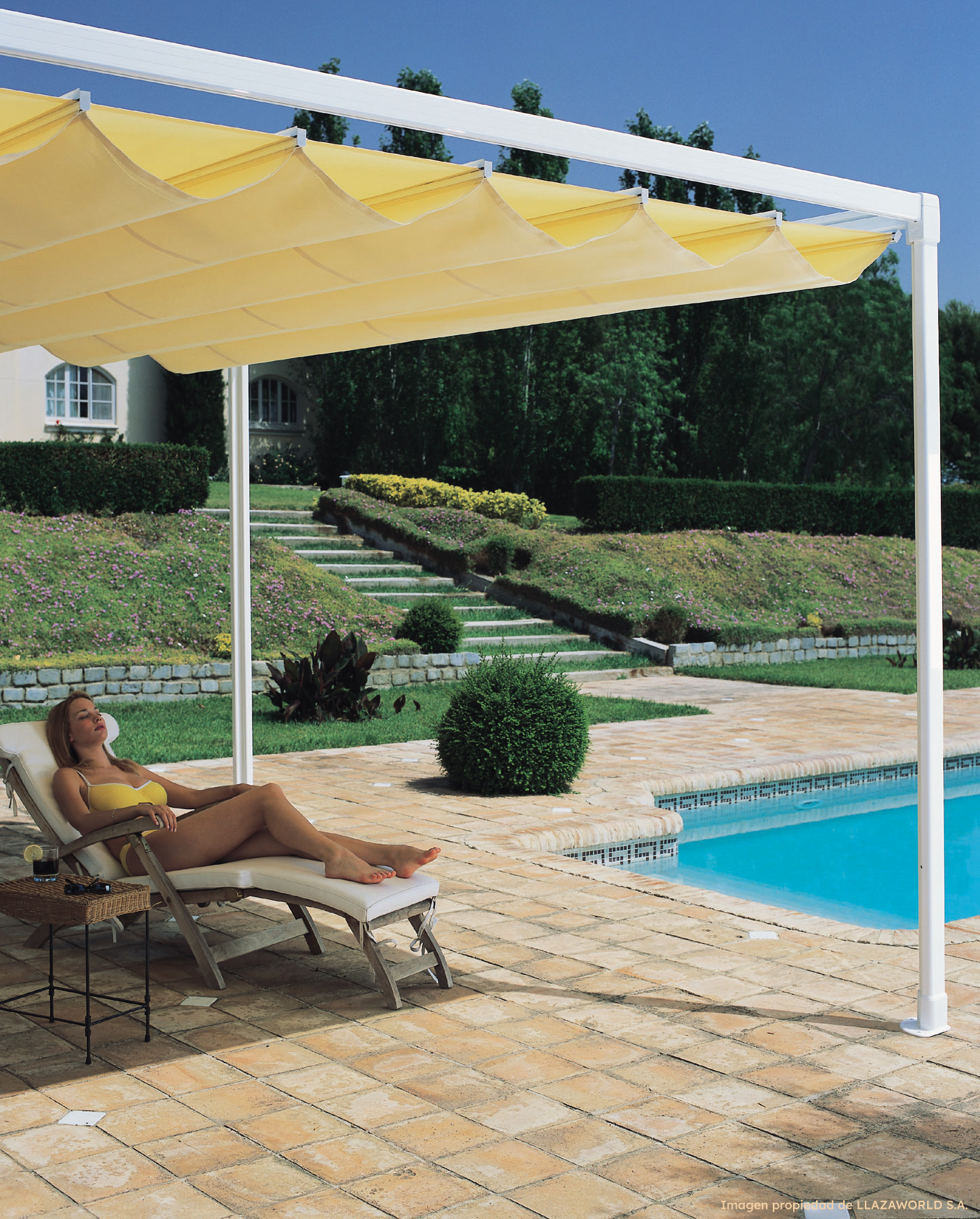
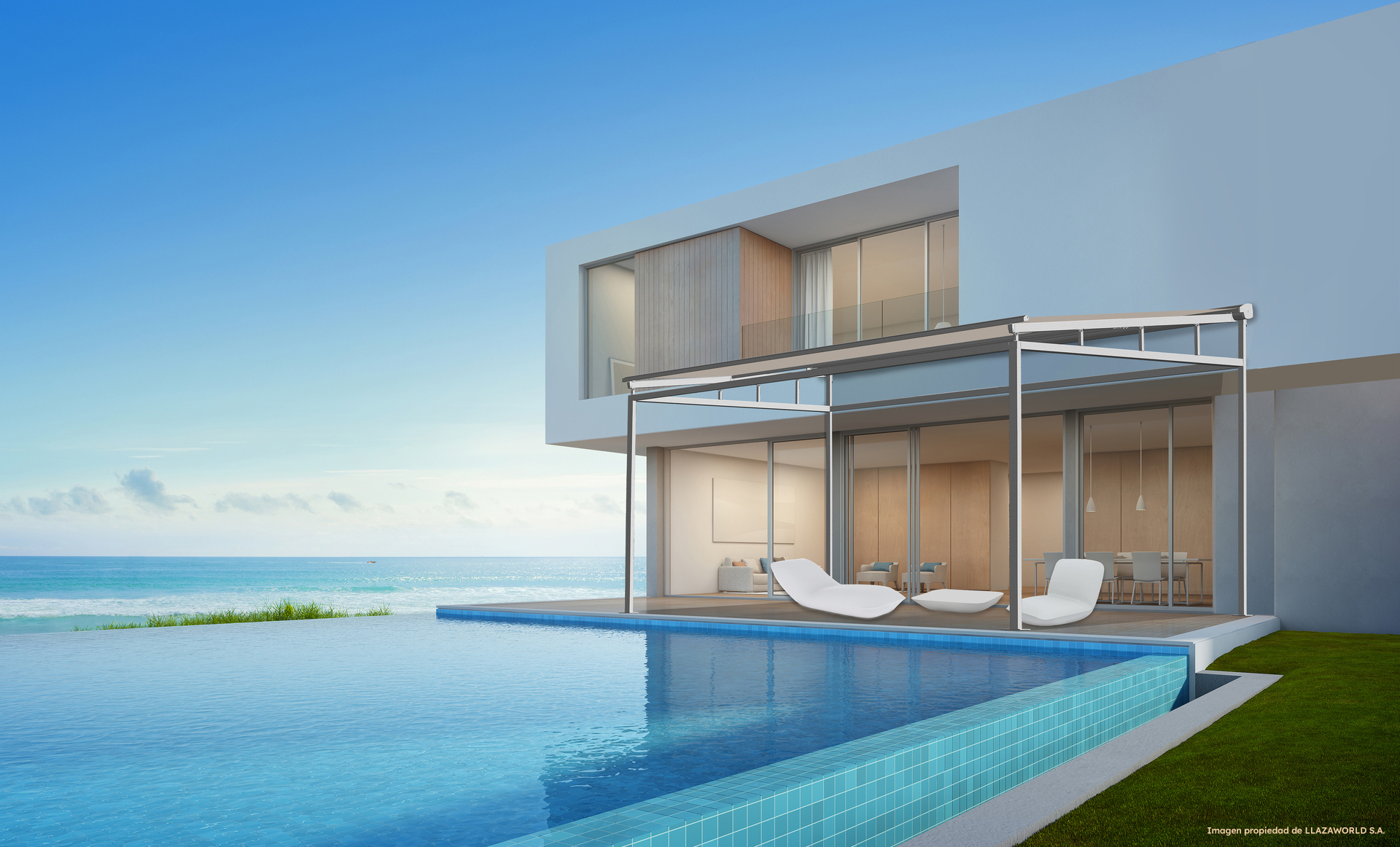
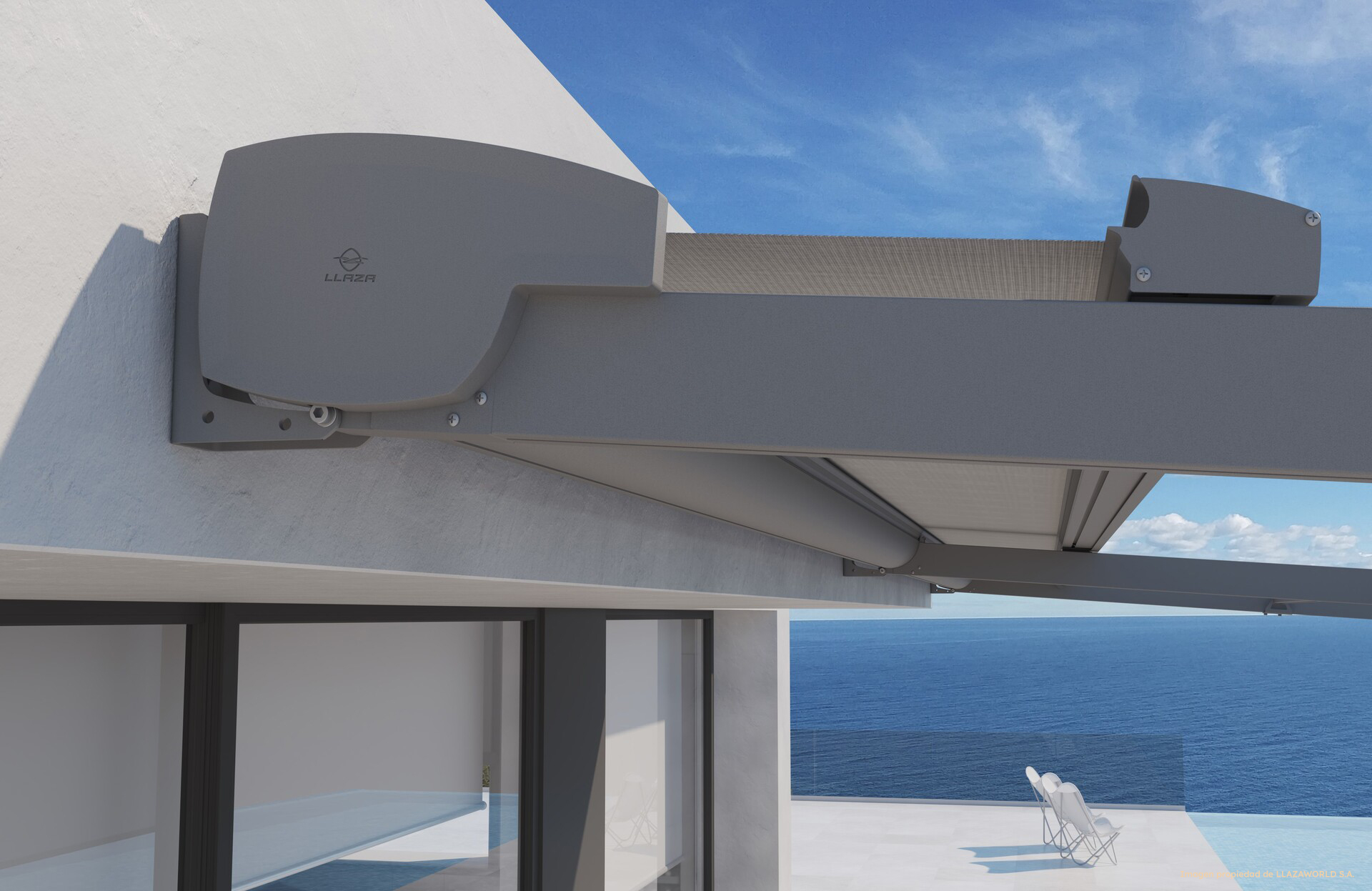
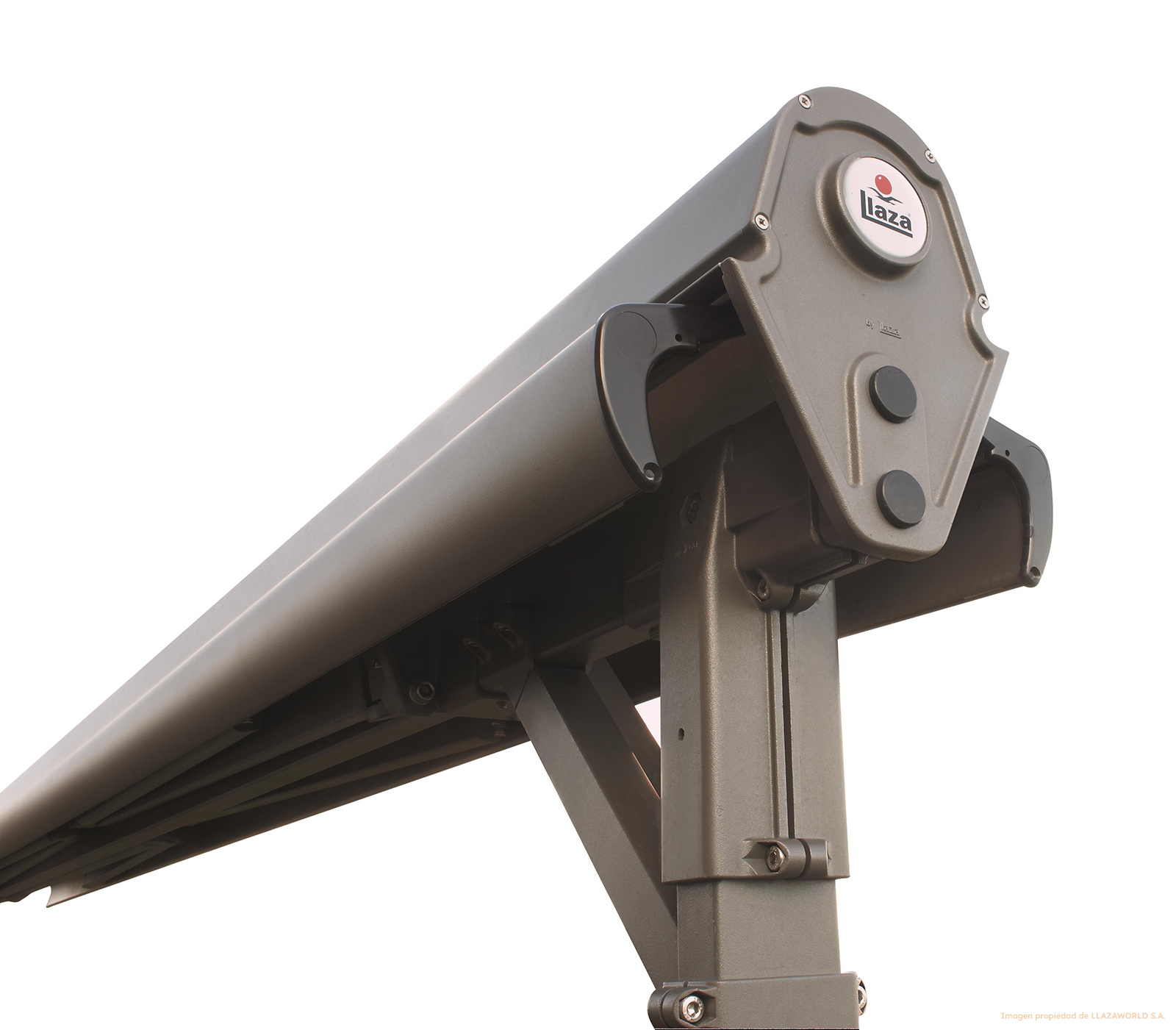
Garden awnings are a complete and versatile flat awning system with multiple applications. The variety of components available allows for installations of different configurations to adapt the product to the needs of the space as much as possible.
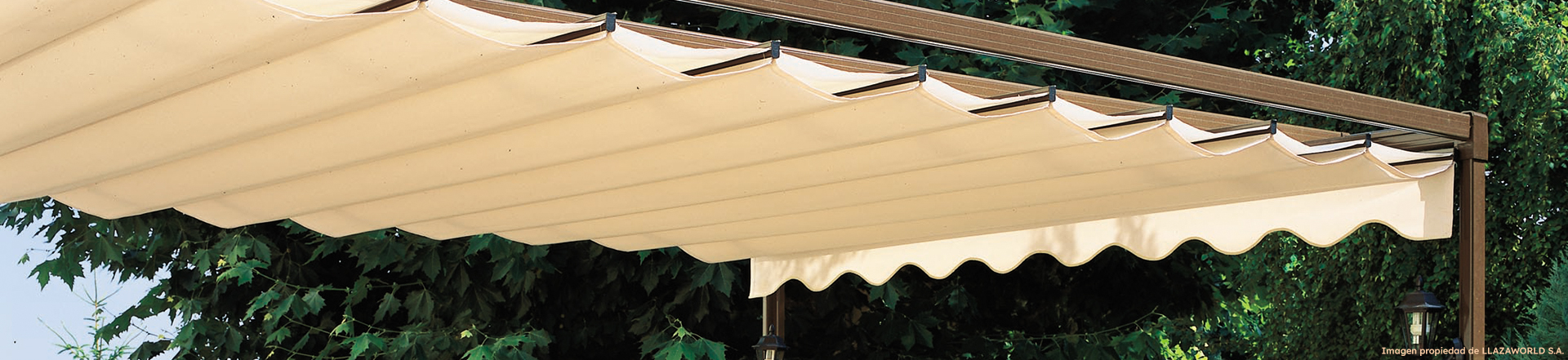
The fabric cover slides along the upper guides with great ease using a set of carriages, and can be operated manually without effort.
Choosing the right system is half the job. The other half is the installation.
For gardens used on a daily basis, a flat awning offers an excellent balance between shade, stability and aesthetics. Because the fabric runs along guides, it does not flap as much in light gusts of wind and can be tensioned evenly. In many projects, we make use of existing structures or add discreet profiles; the important thing is that the fabric runs smoothly along the guides — this is where the trolleys make all the difference — and that rainwater drains in the right direction.
When a customer asks us for something easy to use, this is often where we start: “Just pull the front and that’s it; if you prefer, we can motorise it and connect it to sensors.” For irregularly shaped patios, we make the system to measure, adapting the modules and slopes so that the shade falls exactly where it is needed.
A sliding fabric system is closely related to the classic flat awning: it offers a Mediterranean look, soft fabric waves and excellent sun protection. We recommend it when the customer is looking to create a pleasant atmosphere and wants a covering that still allows the space to breathe.
A tensioned textile pergola (without waves) works better when wind is a major factor or when we need a more linear and contemporary look. If the garden is frequently exposed to Levante winds, this type of system — with guides and tensioned fabric — gives us an extra level of stability.
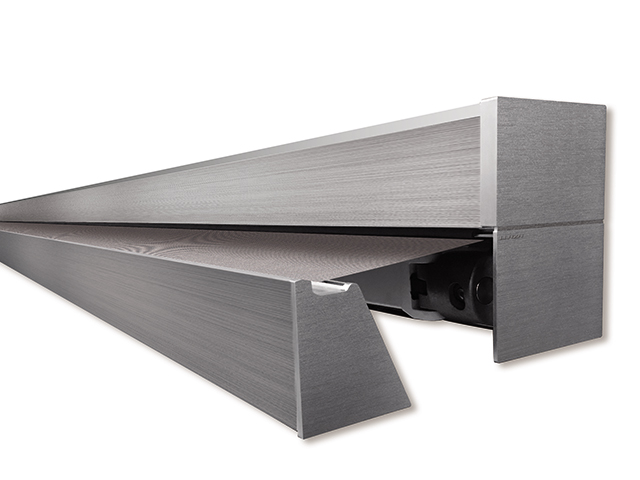
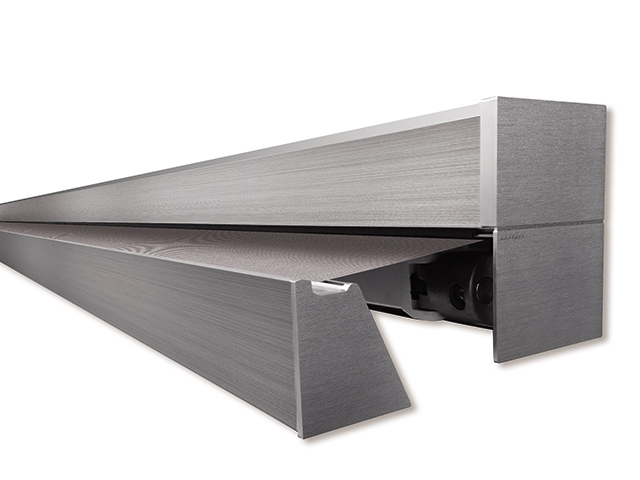
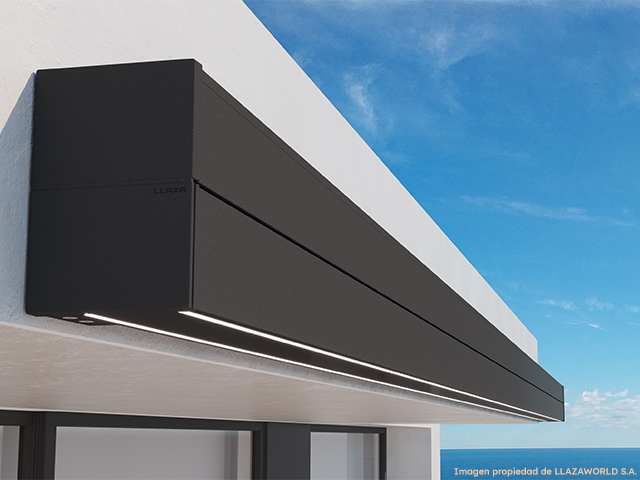
When guides or a supporting structure cannot be installed, a cassette awning with folding arms is a great solution for many small terraces and patios. We often install them in outdoor living areas where the customer wants to protect the fabric when it is retracted and keep the façade looking clean and uncluttered.
However, for exposed gardens, we prefer guided systems. Folding-arm awnings are extremely convenient, but they perform less effectively in strong gusts than flat guided systems.
We choose the fabric according to sun exposure, wind, privacy requirements and maintenance.
* Solution-dyed acrylic: the “workhorse” for garden awnings. It offers good colour retention, excellent shade and a pleasant textile feel. When we are looking for a balance between aesthetics and durability, this is usually our first choice.
* Micro-perforated fabric (technical mesh): ideal when we want less heat build-up through convection and better wind resistance. We particularly like it for hospitality businesses and very sunny areas because the material breathes.
* Coated PVC: we use it for rain protection or when the customer prioritises water resistance. It is more rigid and can retain slightly more heat, but it handles rain well and is easy to clean.
In areas with high salt exposure — particularly close to the coast and sea breezes — we reinforce fittings and recommend gentle, regular cleaning. In practical terms, what works best for us in gardens near the sea is acrylic or micro-perforated fabric combined with stainless-steel fittings.
An awning that is easy to use is an awning that gets used — and that helps it last longer. That is why we make operation as simple as possible.
Many of our systems can be operated manually with very little effort thanks to the trolleys and guide system. If the customer wants maximum convenience, we can motorise the system and add wind and sun sensors that automatically retract it during strong gusts or when direct sunlight is no longer present.
Our usual recommendation is: for businesses or second homes, choose a motor with an anemometer; for permanent residences and more sheltered gardens, a manual system works perfectly and keeps everything simpler.
Every garden requires a different solution. That is why we start by listening and taking accurate measurements.
* Detached homes: we focus on creating practical shade over dining areas and sun loungers, with a discreet slope and controlled water drainage. If there is a swimming pool, we also consider reflections and circulation areas.
* Hospitality businesses: we prioritise even shade, clear walkways and modularity in case the business expands. Tensioned textile pergolas and micro-perforated mesh fabrics work particularly well here, helping to reduce temperature without trapping the air.
* Residential communities: we standardise aesthetic criteria such as colours and lines, leaving everything prepared so that other residents can install matching systems without disrupting the overall appearance.
In many installations, we follow the same principle: fewer support points, better guidance. And when the garden is exposed, chemical anchors and reinforced profiles can make a significant difference.
We work daily throughout Marbella and the surrounding areas. If you are located in Fuengirola, Estepona, San Pedro de Alcántara, Benahavís or Sotogrande, we can easily reach you. Being local allows us to carry out quick inspections and make fine adjustments after installation whenever necessary.
A quotation is mainly based on dimensions, structure, fabric and automation.
* Dimensions and complexity: the larger the area and the more adaptations required — corners, structural elements, planters — the more installation and customisation work is involved.
* Structure and fittings: in coastal areas, we recommend stainless steel. It increases the price slightly but extends the system’s lifespan.
* Fabric: technical micro-perforated fabric is usually slightly more expensive than acrylic, while PVC used for rain protection may require additional reinforcement.
* Automation: motors and sensors increase the overall cost, but they also help protect your investment.
If the budget is limited, we normally prioritise high-quality fabric and reliable fittings, as these are the elements that make the biggest difference after several summers.
A few simple maintenance routines can significantly extend the lifespan of the system.
* Gentle cleaning with water and neutral soap; avoid aggressive chemicals.
* Drying before retracting, especially with PVC.
* Tension inspection at the beginning of each season: if we notice sagging or excessive deflection, we adjust the guides and stops.
* Light lubrication of trolleys and moving components when necessary.
For gardens close to the sea, carrying out these tasks twice a year helps prevent unexpected problems.
If you are looking for garden awnings in Marbella that combine shade, stability and aesthetics, based on our experience we recommend starting with a flat awning with guides and trolleys. It is easy to operate, performs better in gusty conditions than a folding-arm awning, and can be adapted to almost any garden.
From there, depending on wind exposure, intended use and budget, we fine-tune the fabric and operating options — manual or motorised.
At Eluha, we install these systems every day and customise each project so that you can enjoy your garden throughout the year — in Marbella, Fuengirola, Estepona, San Pedro, Benahavís and Sotogrande — with a system designed specifically for your space.